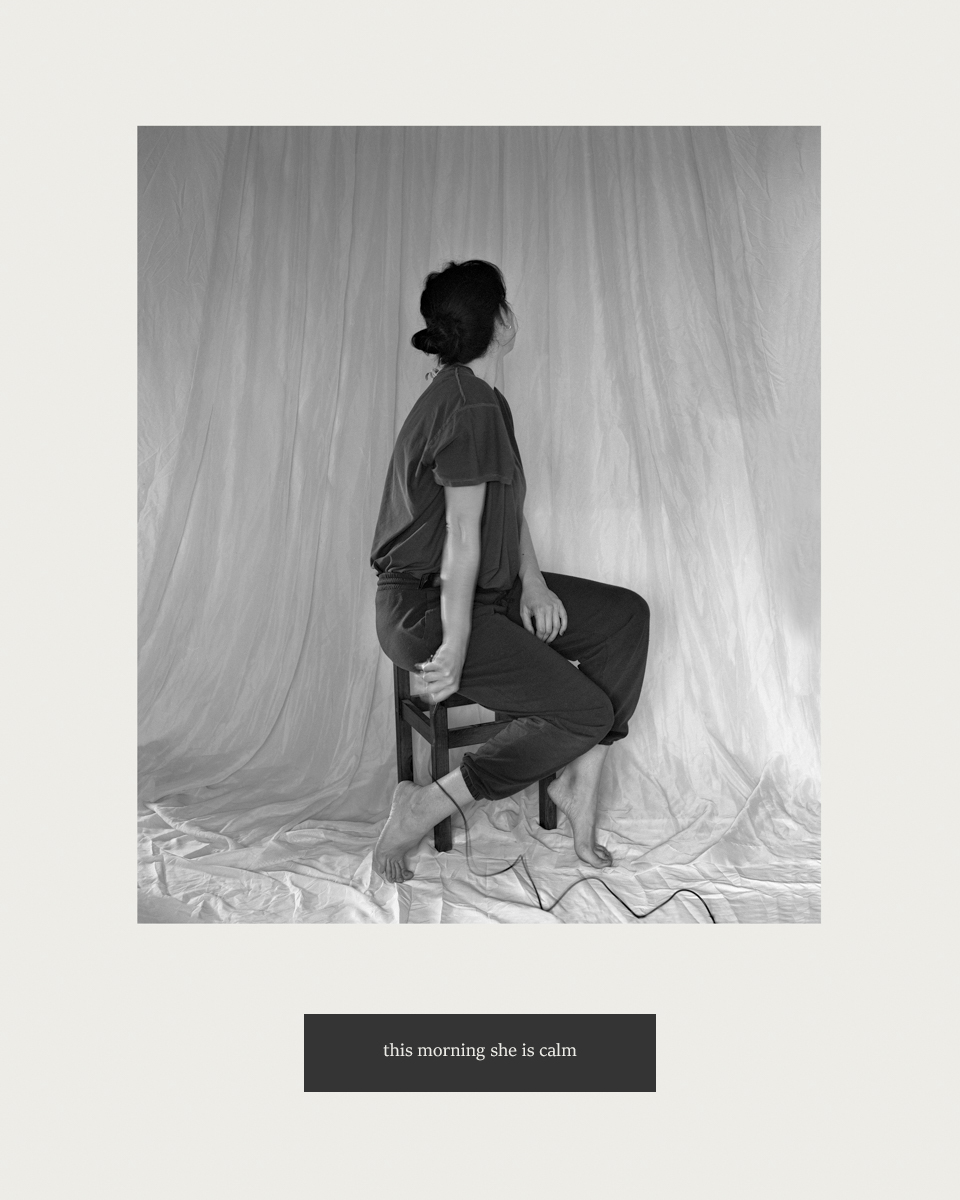
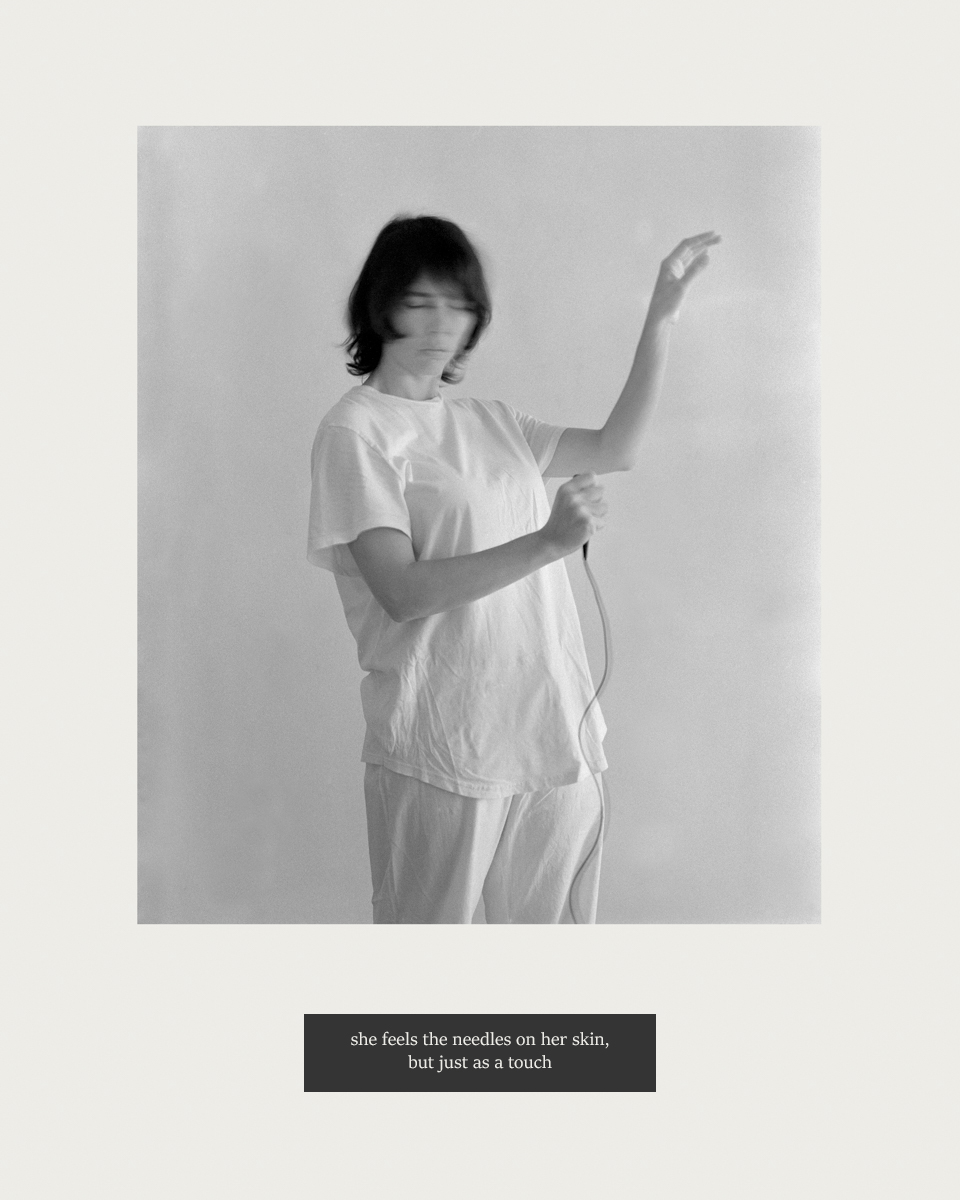
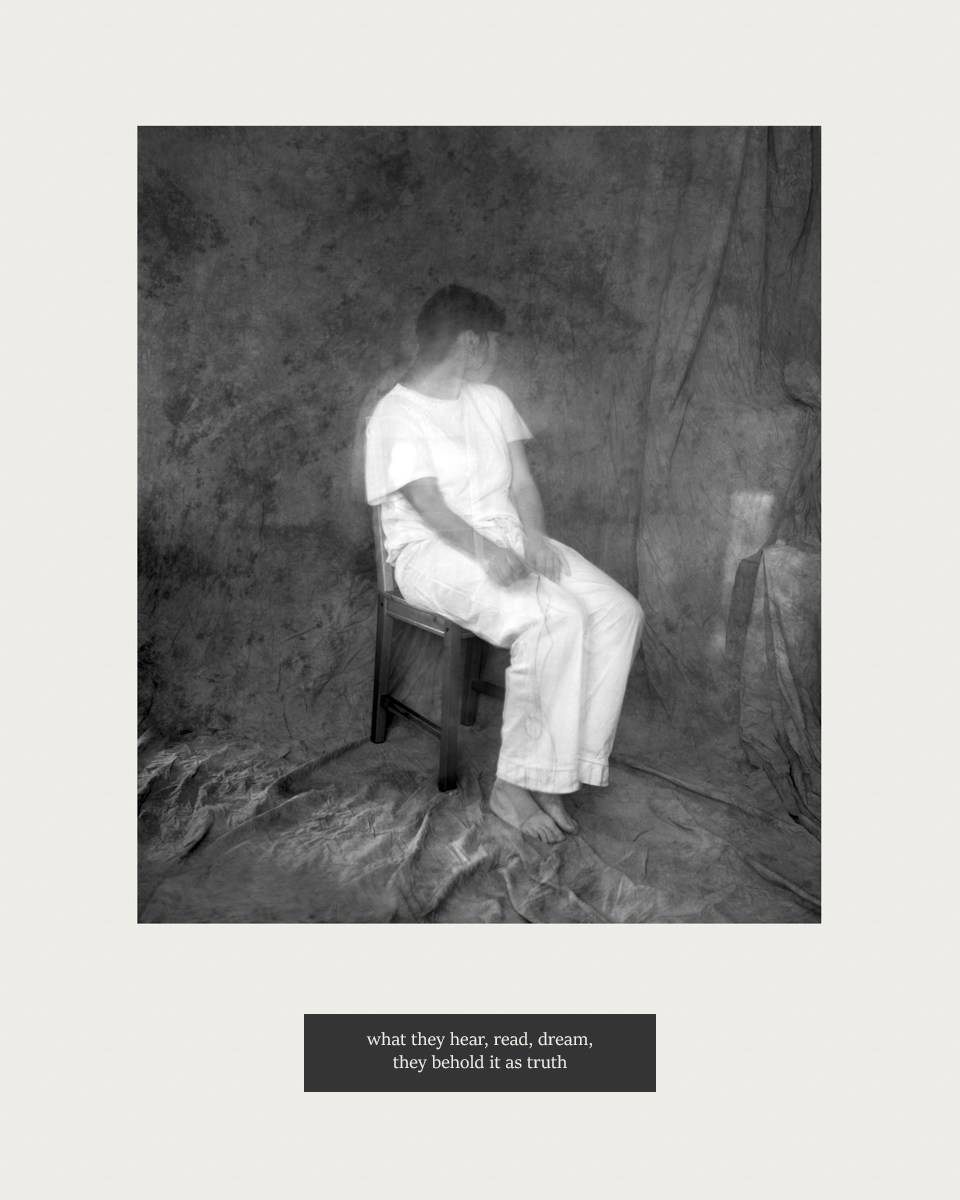
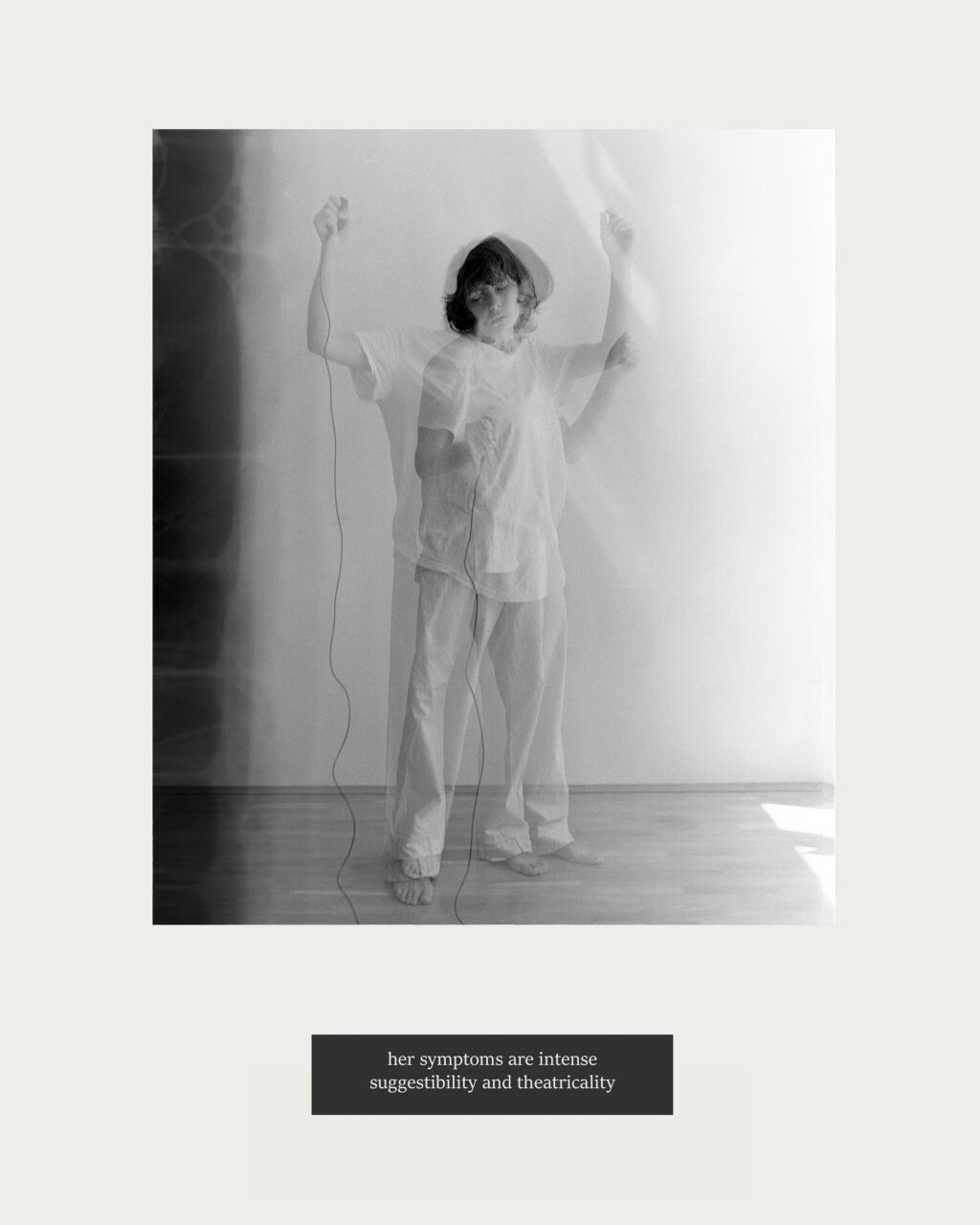
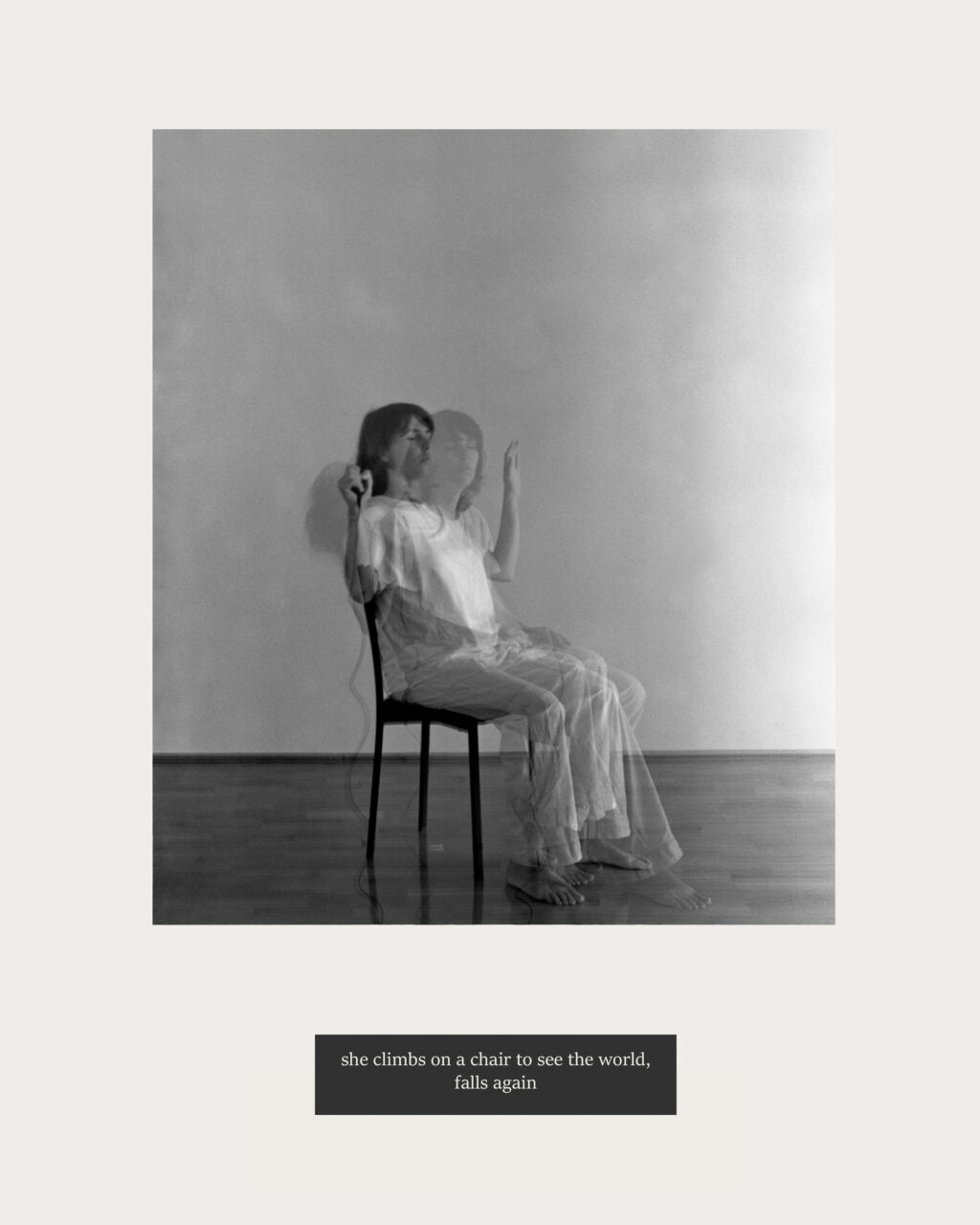
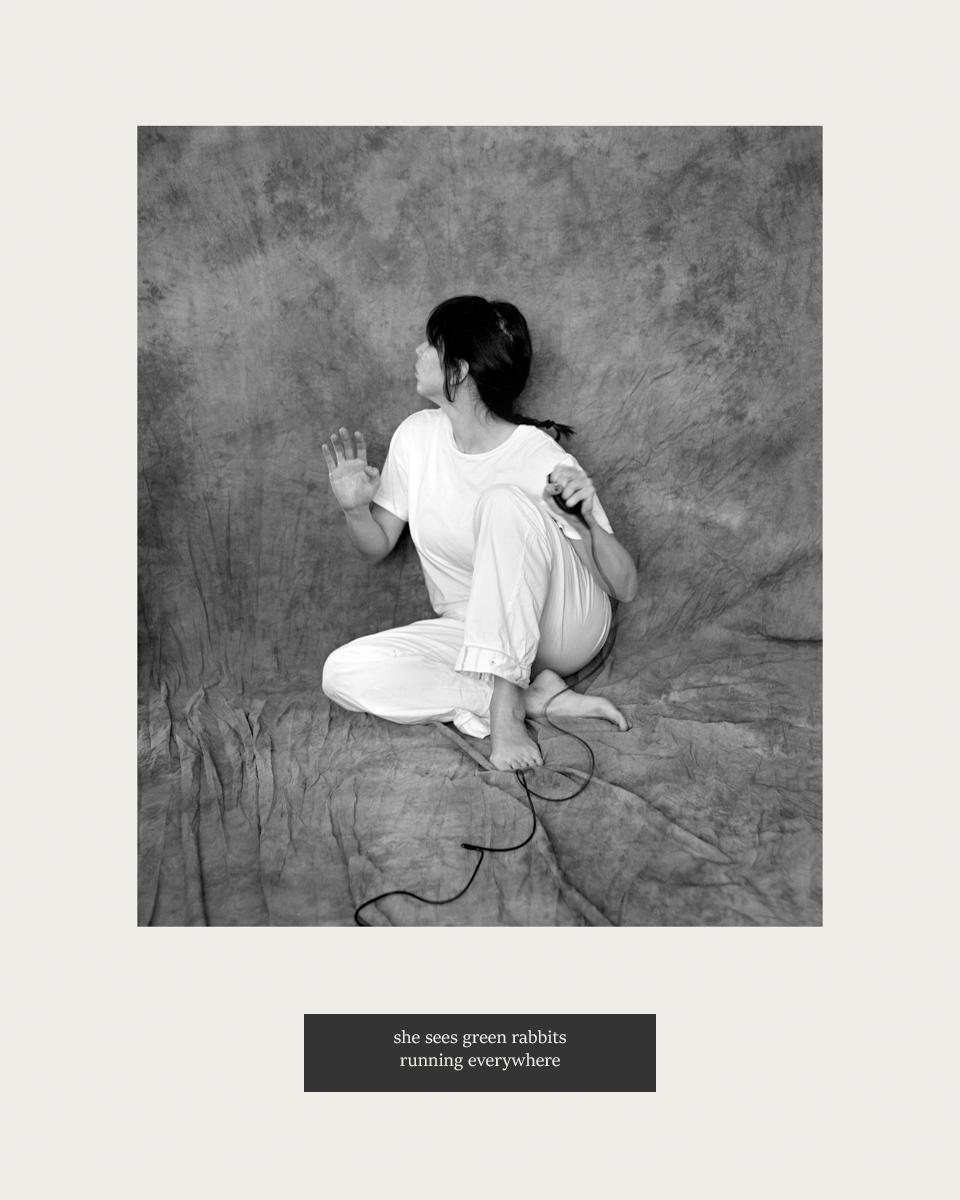
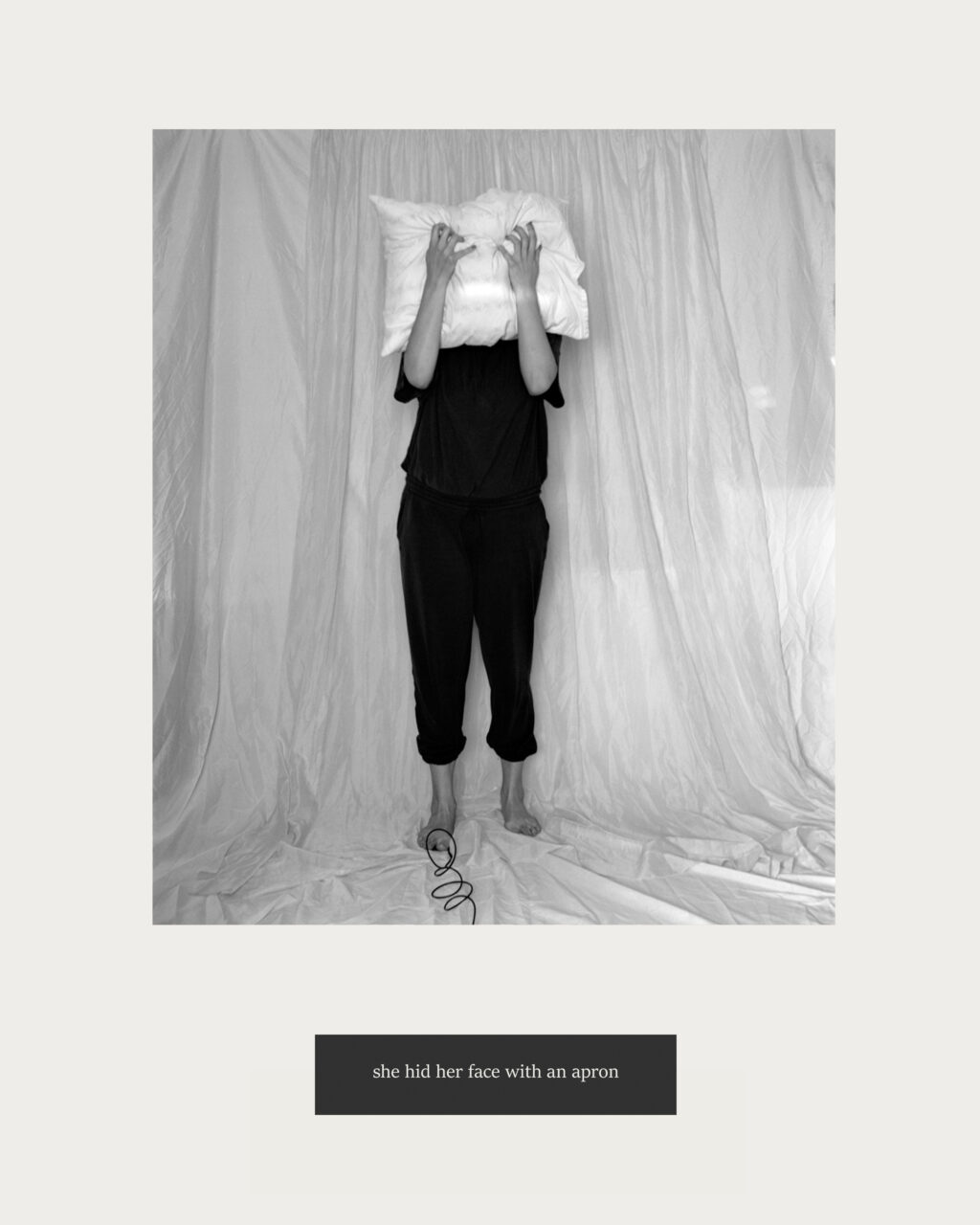
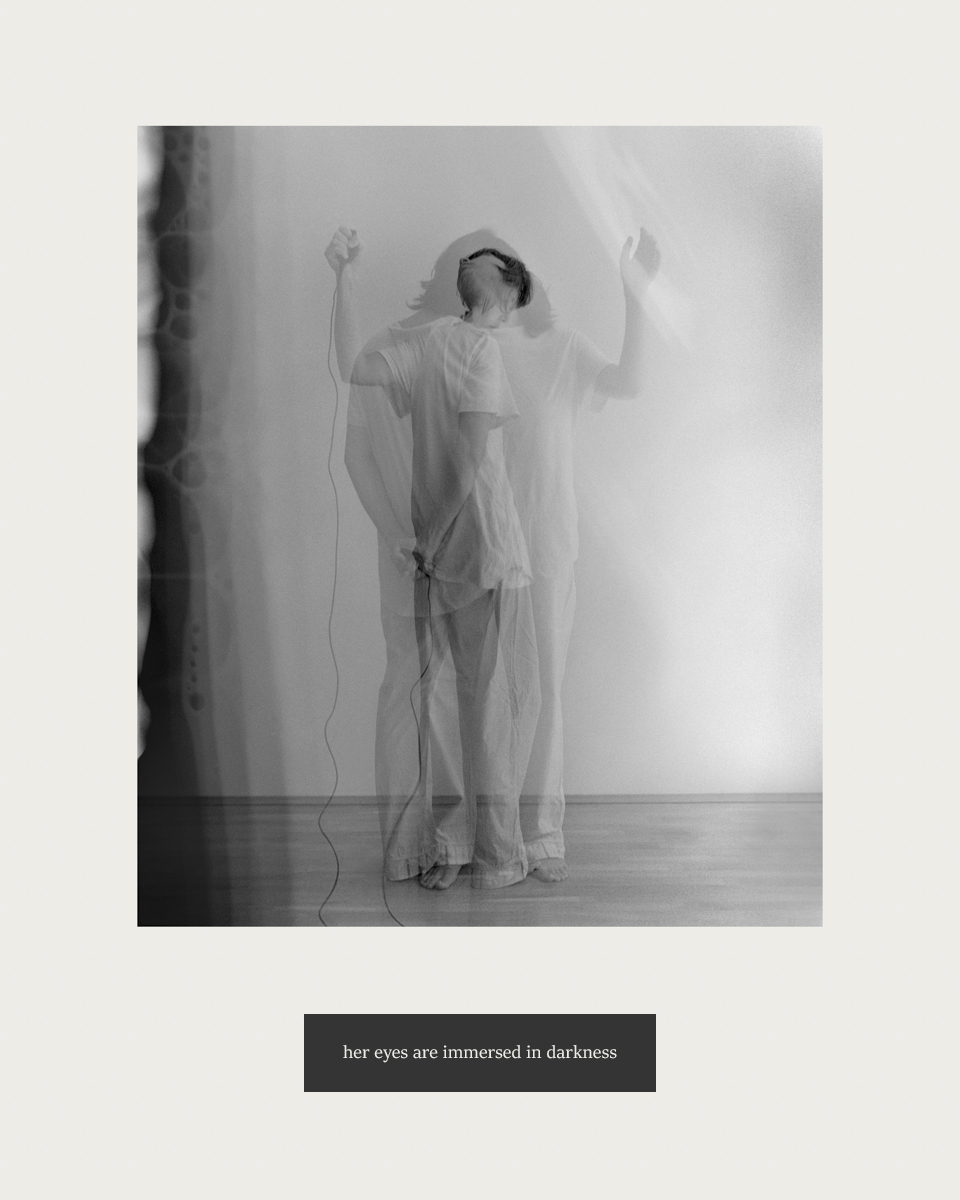
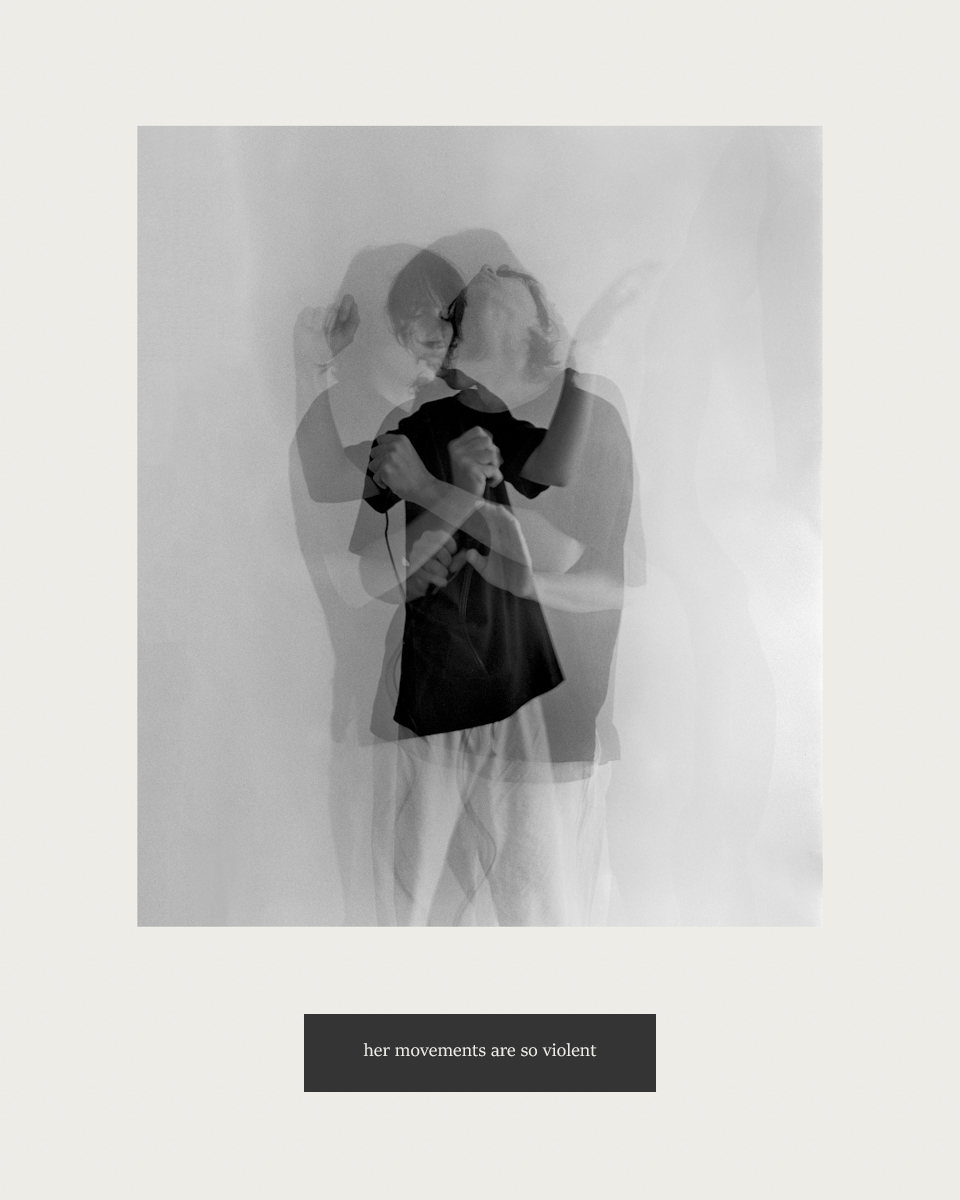
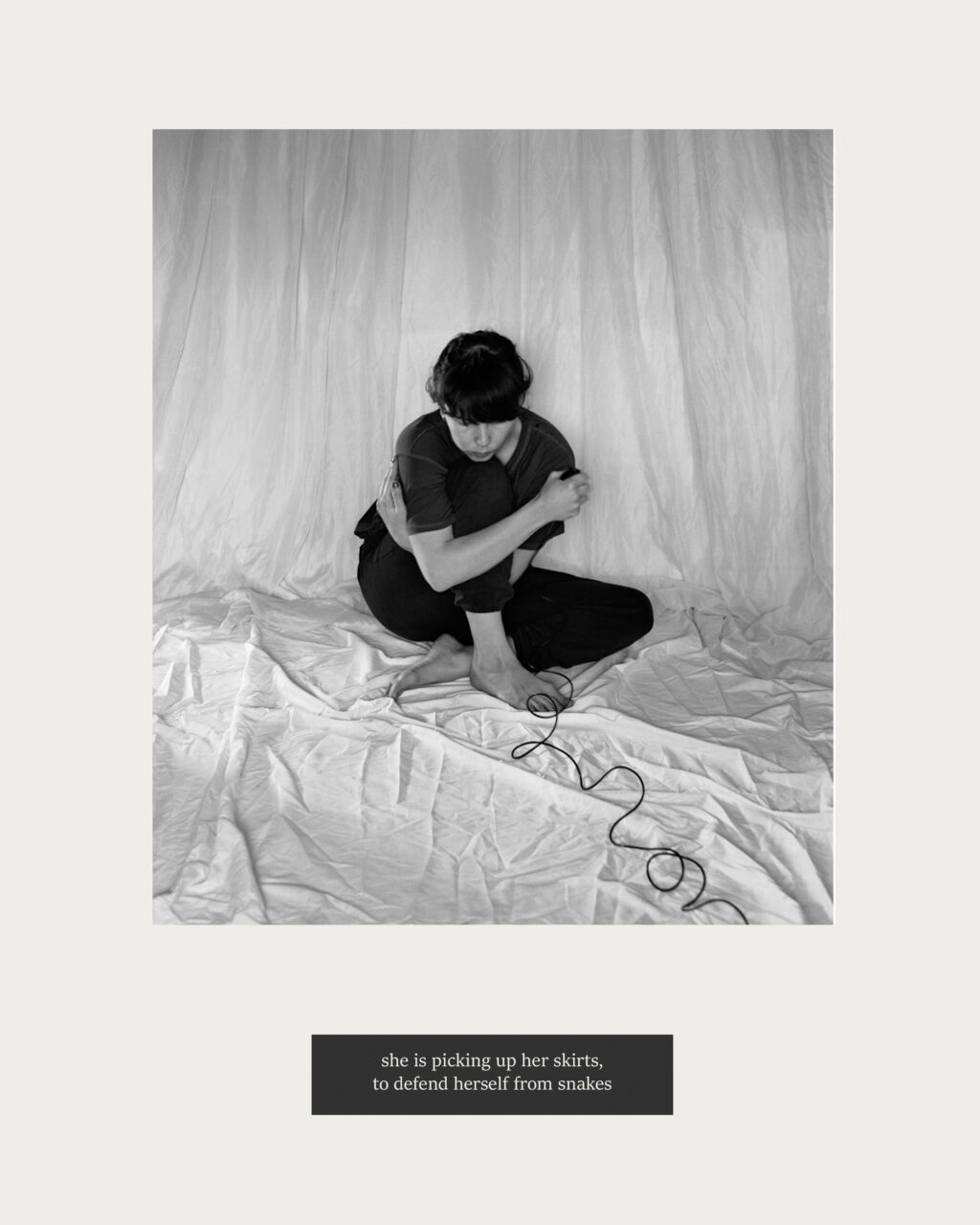
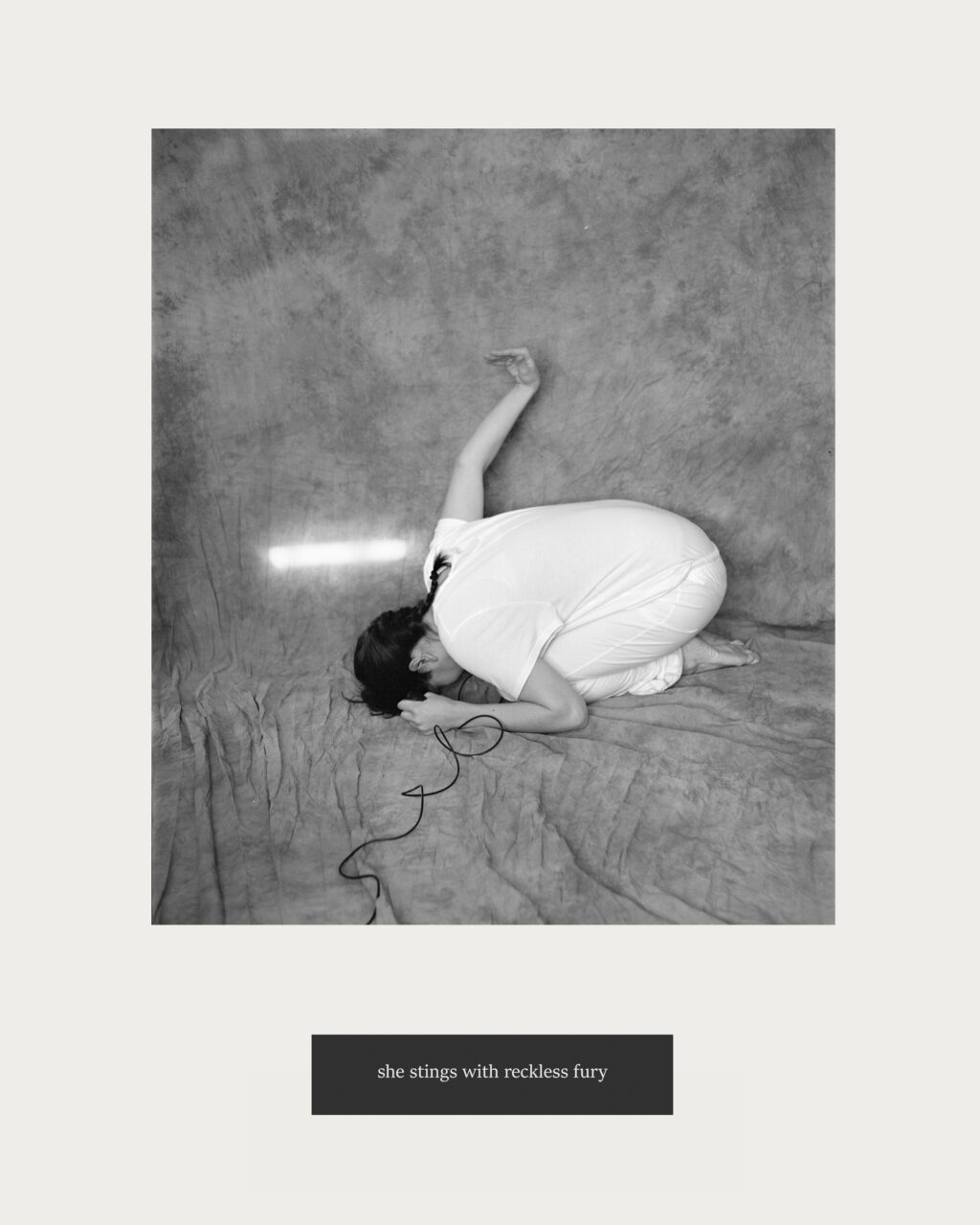
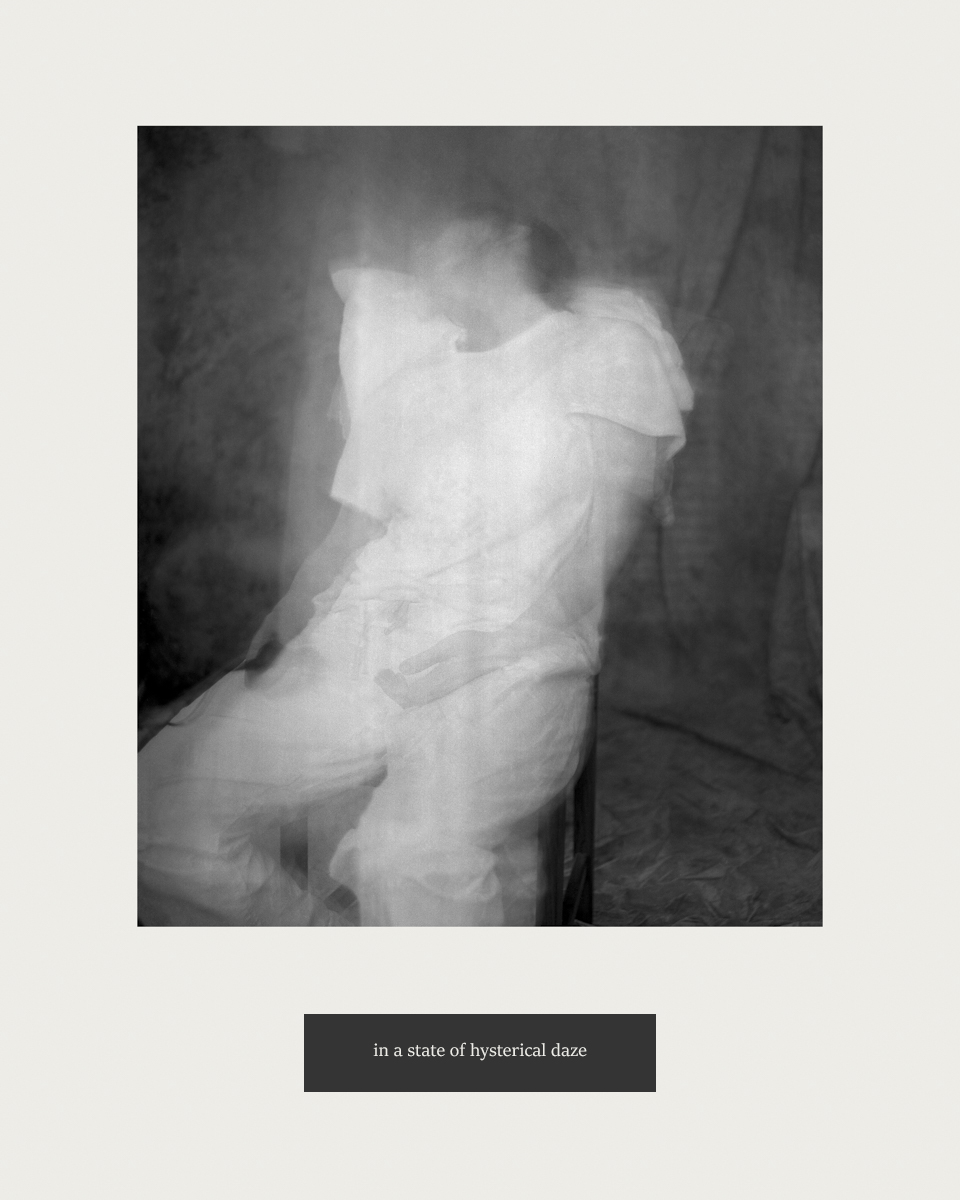
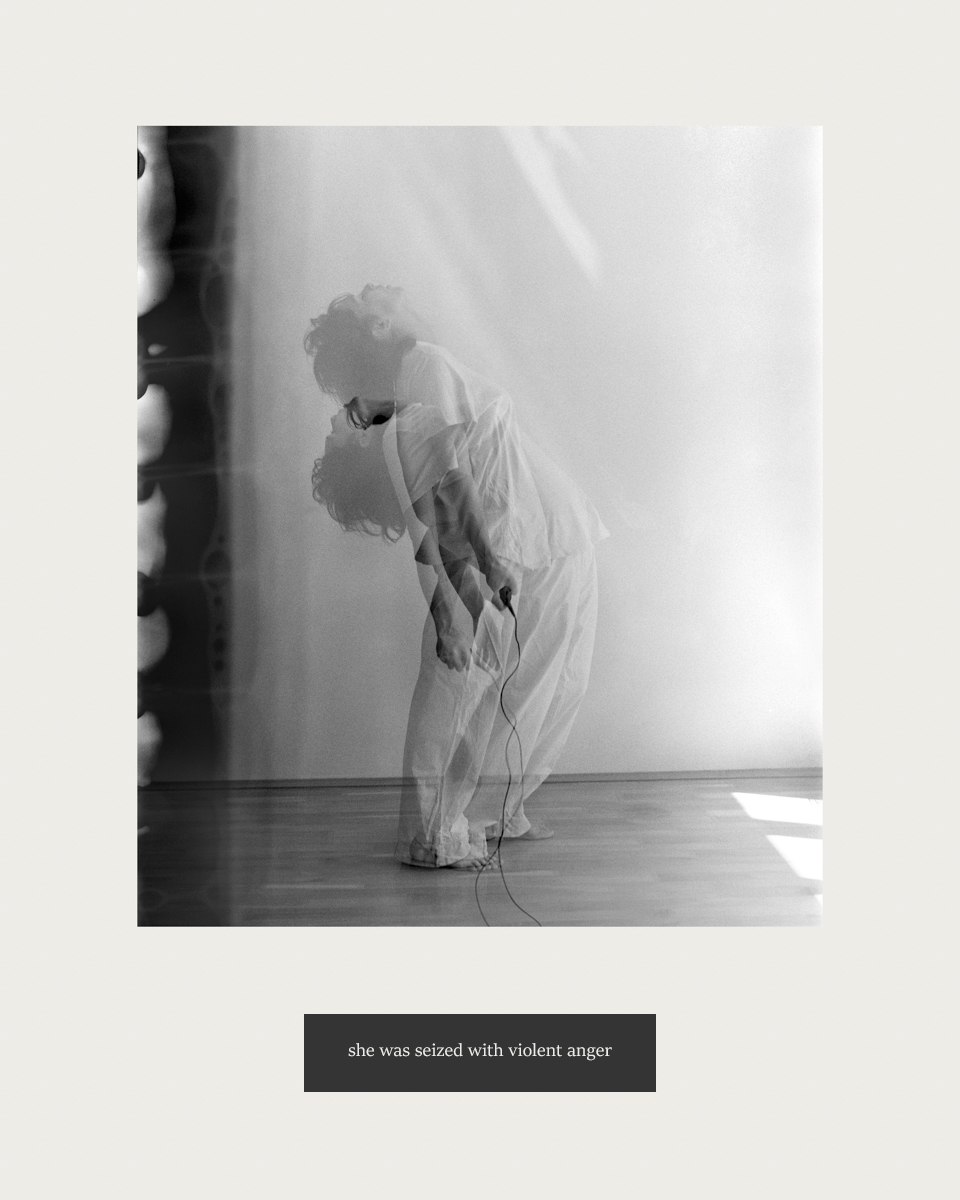
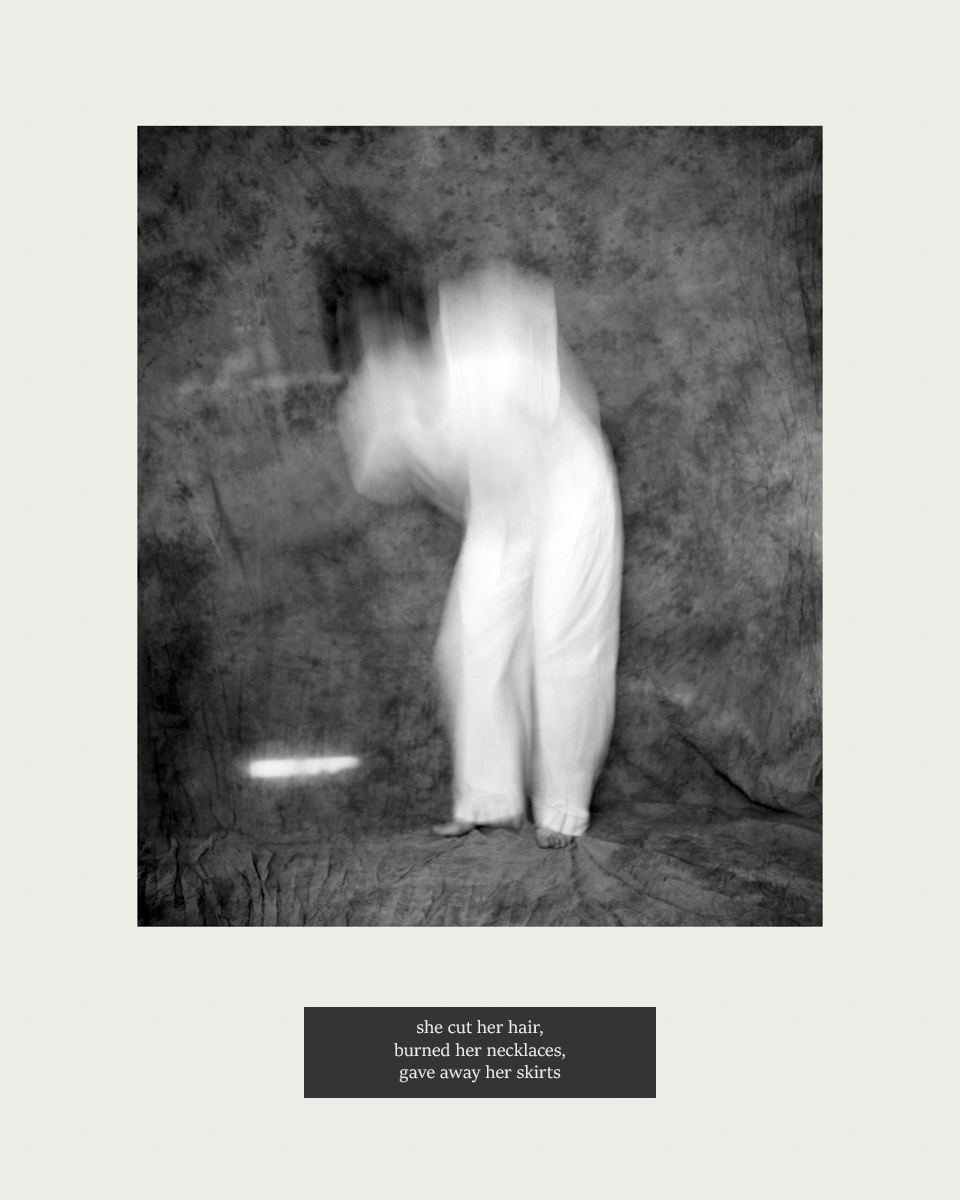
In this work I research the history of the photographic representation of women within psychiatric institutions and relations of power between the photographer – the physician and the photographed subjects – female patients.
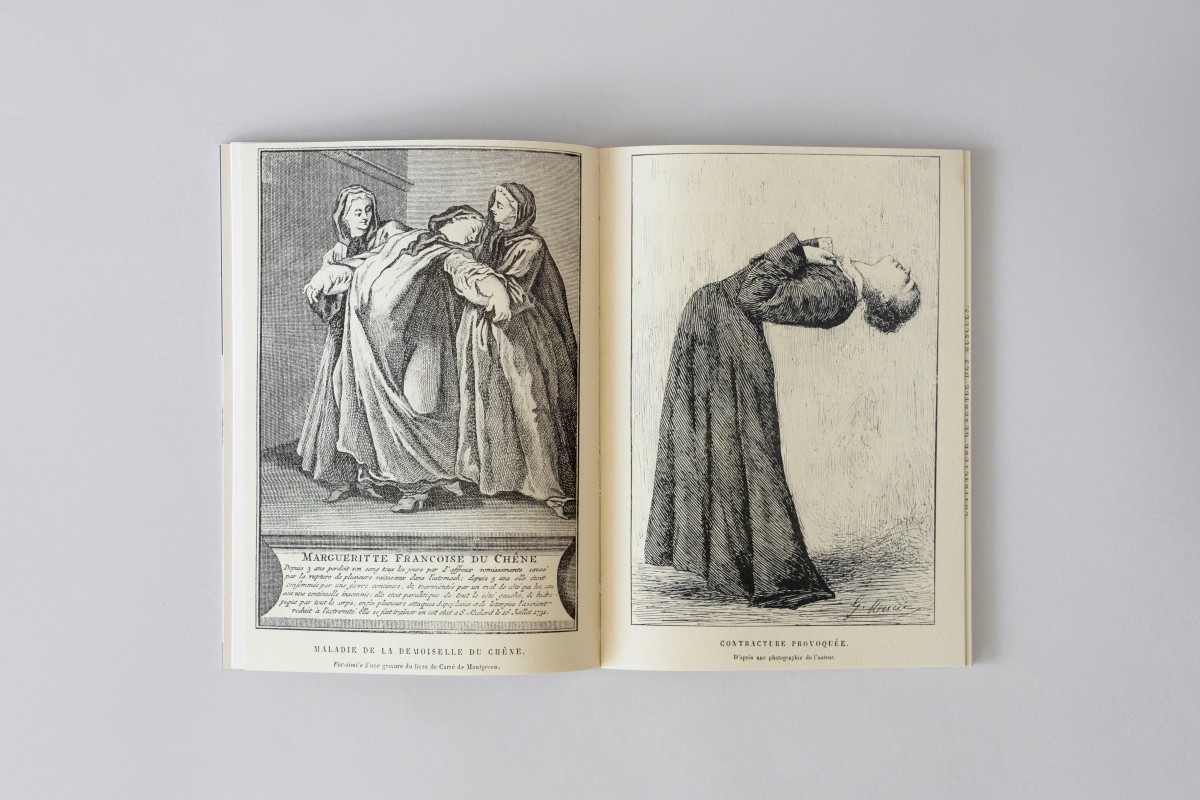
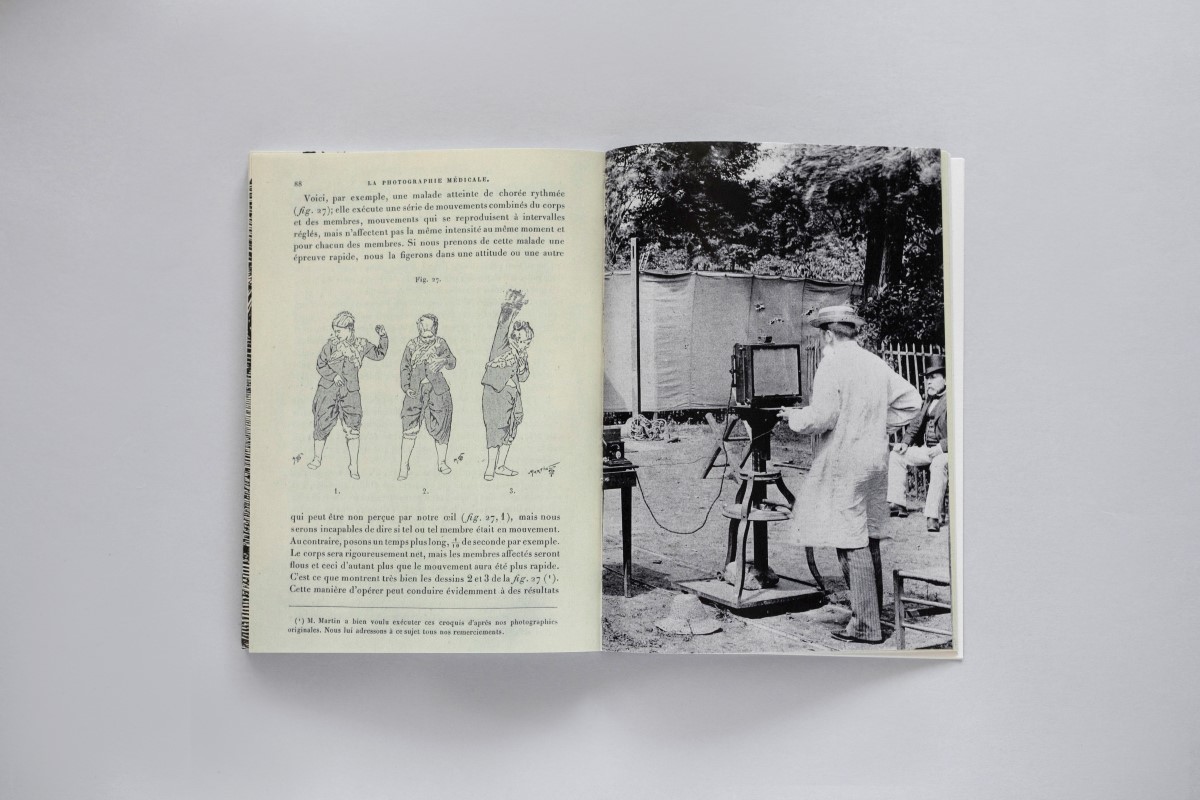
The project draws upon 19th century photographic archives, most notably from the Salpêtrière Hospital in Paris, which contain hundreds of photographs of women diagnosed with hysteria. Hysteria, from the ancient Greek hystera meaning uterus, has long been considered a psychiatric disorder allegedly caused by a wandering, restless uterus. Physicians, fascinated by the presumed objectivity of the photographic apparatus, frequently induced symptoms and provoked seizures using various devices during photographic sessions. What was intended to be an objective documentation of the symptoms transformed into a choreographic, almost theatrical spectacle of contorted bodies, with countless repetitions and stagings.
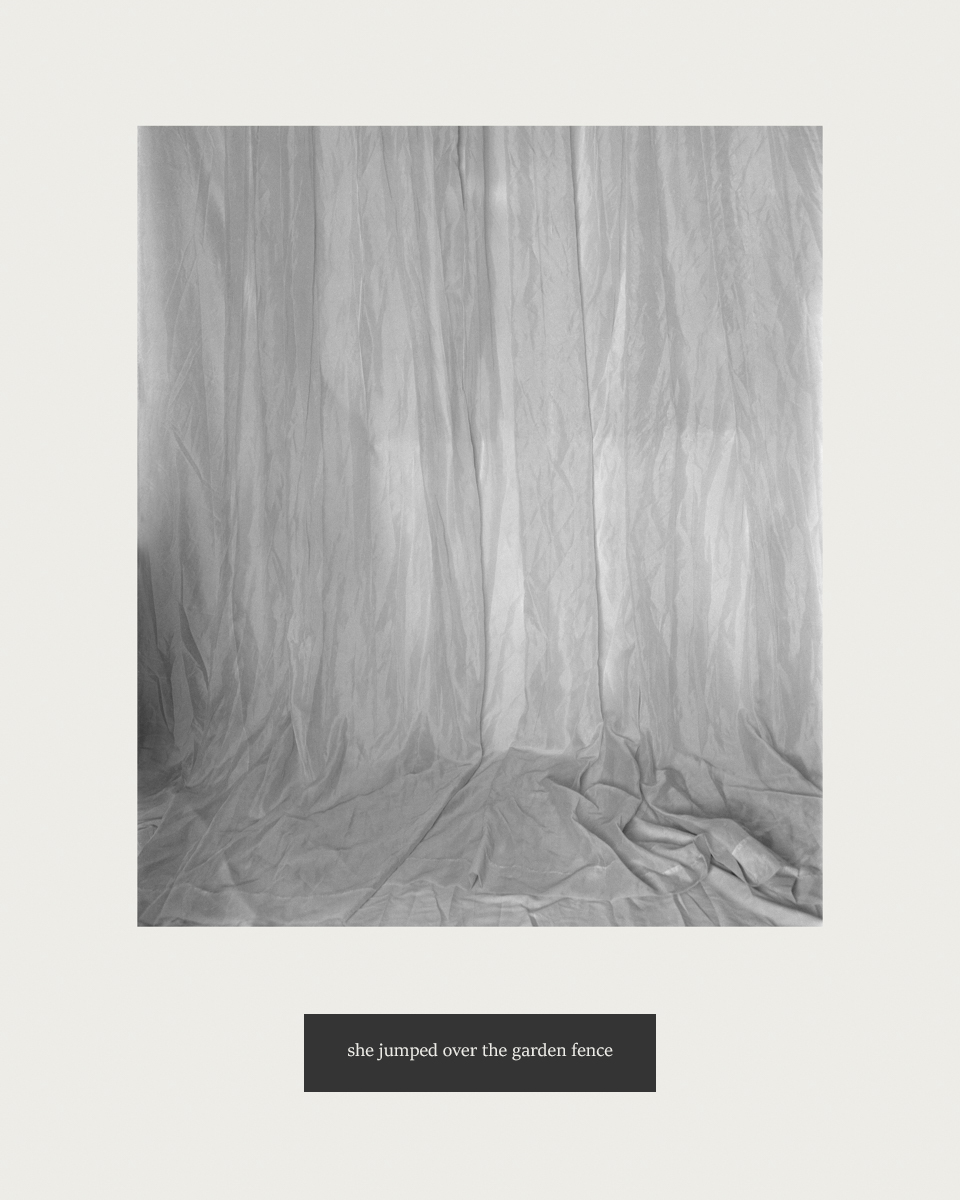
Through the re-enactment of archival photographs, I position myself simultaneously as the subject and the operator of the camera, employing a cable release as a visible motif. In this way, I disrupt the traditional power structure between photographer and subject. Below the photographs, I inscribe excerpts from descriptions of the behaviour of patients diagnosed with hysteria written by the French physician Jean Martin Charcot and Croatian physicians influenced by his diagnostic practices.
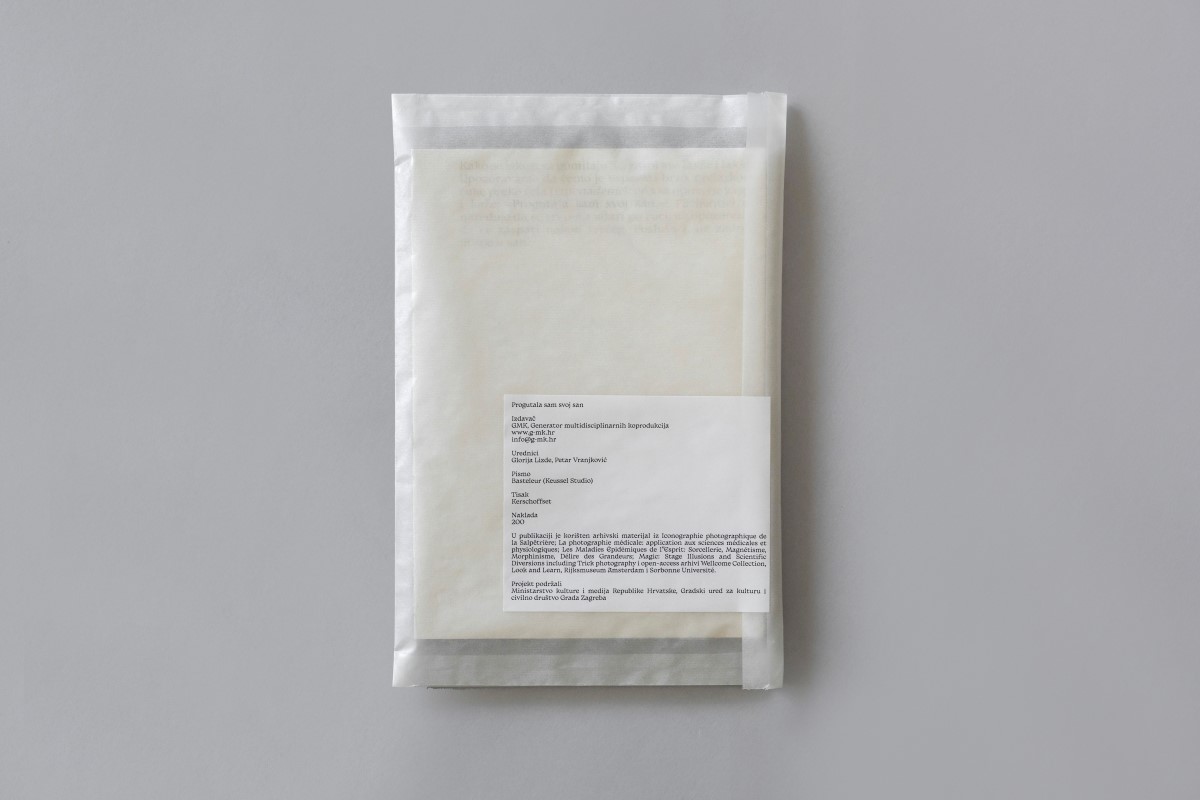
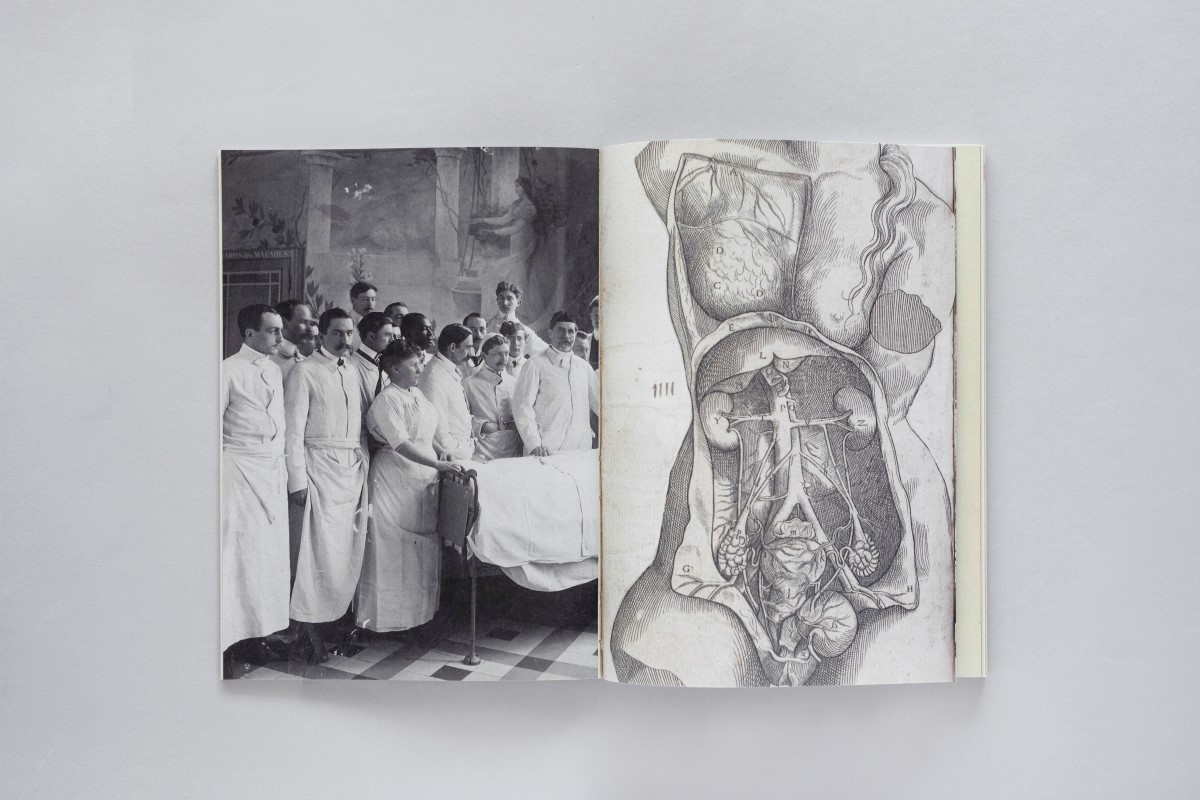
In the accompanying research based artist’s booklet “I Swallowed My Dream”, I reframe found archival fragments to construct my own archive of hysteria, interweaving depictions of the female body portrayed at an intersection between fact and fiction, document and staging, reality and dream.
Through reinterpretation of the historical institutional practices in I Swallowed My Dream, I reflect on their enduring impact on contemporary perceptions of mental health and the female body, seeking new ways of reclaiming histories embedded in collective female experience.